LinkedIn Wants to Turn B2B Creators Into a Real Marketing Channel. Are Brands Ready?
For years, influencer marketing felt like a B2C play. Beauty [...]
For years, influencer marketing felt like a B2C play. Beauty [...]
As a flag carrier for LinkedIn and a storyteller by [...]
We hear a lot from the private sector that marketing [...]
When you think of influencer marketing you might picture celebrities pushing skincare or pro athletes showing off their favorite sneakers. But here’s the twist: in 2025 it’s the “small voices” who are making the biggest impact. Micro- and nano-influencers (usually defined as creators with between 1,000 and 50,000 followers) are leading the charge.
Influencer marketing isn’t a buzzword anymore. It’s a business strategy. But as many brands scramble to partner with anyone holding a ring light and a discount code, they miss the forest going straight for the follower count. Successful influencer marketing doesn’t always hinge on who’s trending.
As a proud 31-year-old Millennial who stays off social media for most of the day, I am shocked (and sort of dismayed) to say that I have been influenced by many things over the years, but most recently: press-on nails.
When Elon Musk acquired Twitter in 2022 and rebranded it as X, he promised a new era for the platform. One that would champion free speech, innovation and a broader vision as the “everything app.” Fast forward to 2025, and the story is different: millions of users are leaving, journalists and media outlets are abandoning ship, and X’s cultural relevance is under threat. What happened?
[vc_row][vc_column][vc_column_text] Last week on Instagram several of us from Team Sweeney shared ways that we continue to hone our professional skills. While September has been deemed “Self-Improvement Month,” I think we can all agree that it’s an ongoing endeavor.
When it launched in 2010, Instagram was a leader in the social media space. That is, until they started making updates to add features that users didn’t like. With all the changes over the years, the app has morphed into a completely different platform.
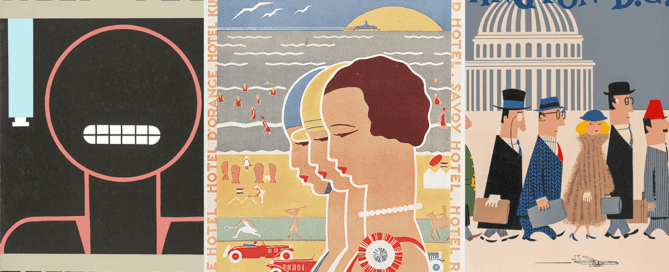
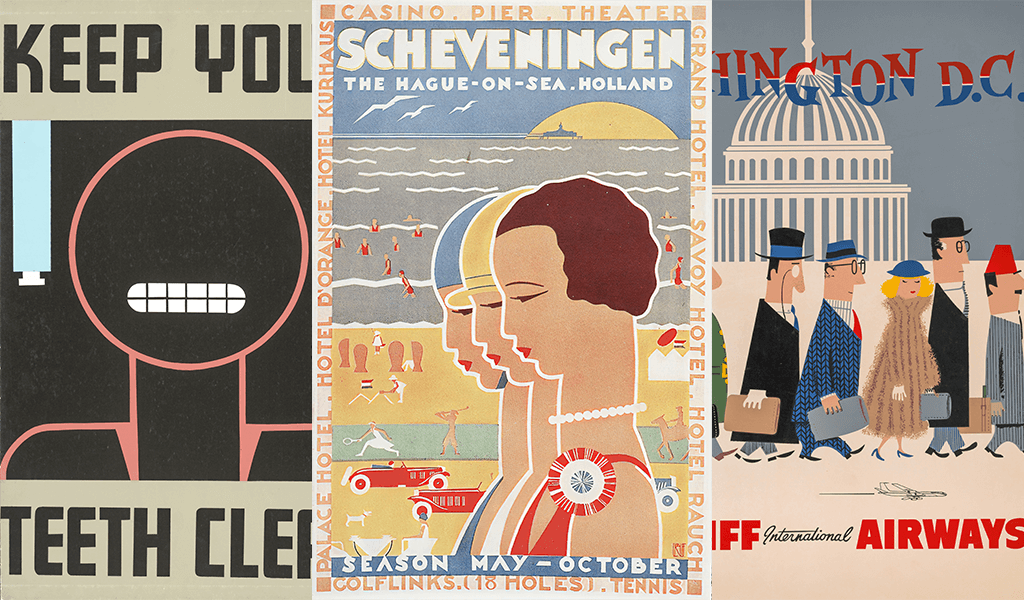
Beginning as early as the 1800s, the poster has played a fundamental role in societal communication.

Cleveland
440.333.0001
Wilmington
910.772.1688